您所在的位置: 首页 > 新闻动态
电接点压力表启动方式常见问题及解决办法,规避运行隐患

电接点压力表启动方式常见问题及解决办法,规避运行隐患

本文详解电接点压力表自动、手动两种启动方式的常见问题(无法启动、启停频繁、无法停机等),深入分析成因,提供可落地解决办法,教你快速排查故障、规避运行隐患,助力电接点压力表稳定运行。

详细介绍

电接点压力表启动方式常见问题及解决办法,规避运行隐患

电接点压力表作为压力控制领域的常用设备,其启动方式的稳定性直接决定了整个系统的运行效率,而在实际使用过程中,很多用户会遇到启动失败、启停频繁、触点粘连等问题,不仅影响设备正常运行,还可能造成安全隐患。本文聚焦电接点压力表启动方式的常见问题,深入分析问题成因,提供可落地的解决办法,同时融入SEO关键词,帮助用户快速排查故障,掌握启动过程中的故障处理技巧,确保电接点压力表稳定运行。
电接点压力表的启动方式主要分为自动启动和手动启动,两种方式在运行过程中出现的问题各有侧重,但核心故障多集中在触点、接线、压力设定三个方面。其中,自动启动模式下的故障发生率较高,也是用户反馈最多的场景,常见问题包括设备无法自动启动、启动后无法停机、启停过于频繁等;手动启动模式下的故障多为启动无反应、手动按钮失效等,需针对性排查处理。

一、自动启动模式常见问题及解决办法

(一)设备无法自动启动

这是自动启动模式下最常见的问题,其主要成因有三个:一是压力设定不合理,若预设的下限压力高于系统当前压力,电接点压力表的下限触点无法闭合,无法触发执行设备启动;二是接线错误,比如公共端与下限端接反,或接线松动、接触不良,导致信号无法传递;三是触点故障,表内触点氧化、粘连或磨损,导致触点无法正常闭合,无法形成回路。
针对上述问题,解决办法需针对性排查:首先,检查压力设定,转动调节旋钮,将下限压力设定为低于系统当前压力,观察表盘指针是否指向正确刻度,确认设定无误;其次,检查接线,断开电源,重新紧固接线端子,确认公共端、下限端、上限端接线顺序正确,无接反、松动现象,同时检查接线的绝缘层,若有破损及时更换;最后,检查触点状态,打开压力表外壳,观察触点是否有氧化、粘连痕迹,若有氧化,可用细砂纸轻轻打磨触点,去除氧化层,若触点磨损严重,需及时更换电接点压力表。

(二)启动后无法停机

启动后无法停机多发生在自动启动模式下,主要原因是上限触点无法正常断开,导致接触器持续吸合,执行设备一直运行,压力持续升高,存在安全隐患。其成因主要包括:上限压力设定过低,导致压力未达到预设值就提前触发停机信号(反之则无法停机);触点粘连,上限触点闭合后无法断开,导致信号持续传递;控制柜内接触器故障,无法正常断电。
解决此类问题,首先调整上限压力设定,根据系统需求重新设定合理的上限值,确保压力达到上限时能正常触发停机信号;其次,检查上限触点,若存在粘连,打磨触点或更换压力表;最后,检查控制柜内的接触器,若接触器线圈损坏或触点粘连,需及时维修或更换,确保设备能正常断电停机。

(三)启停过于频繁

启停过于频繁不仅会缩短执行设备的使用寿命,还会增加能耗。其主要原因是压力设定区间过小,导致系统压力在上下限之间快速波动,频繁触发触点通断;其次,系统存在泄漏,压力下降过快,导致设备频繁启动;此外,电接点压力表的响应速度过快,也会导致启停频繁。
解决办法:一是调整压力设定区间,增大上下限压力差值,避免压力频繁波动;二是检查系统密封性,排查管道、阀门等部位是否存在泄漏,及时修复泄漏点,减少压力损耗;三是校准电接点压力表的响应速度,根据实际需求调整,避免响应过快导致的频繁启停。

二、手动启动模式常见问题及解决办法

手动启动模式下,启动无反应的主要原因是手动开关故障、接线松动或电源故障。解决办法:检查手动开关,若开关损坏,及时更换;检查接线端子,重新紧固接线;检查电源,确认电源电压正常,无断电、跳闸现象。此外,手动启动时需注意,必须先切换至手动模式,再按下启动按钮,避免误操作导致故障。

三、总结与日常维护建议

总之,电接点压力表启动方式的常见问题多与压力设定、接线、触点状态相关,只要掌握正确的排查方法,就能快速解决故障,规避运行隐患。在日常使用中,定期检查设备状态、校准压力表、维护接线,能有效减少故障发生率,确保电接点压力表的启动方式稳定可靠,为系统压力控制提供保障。
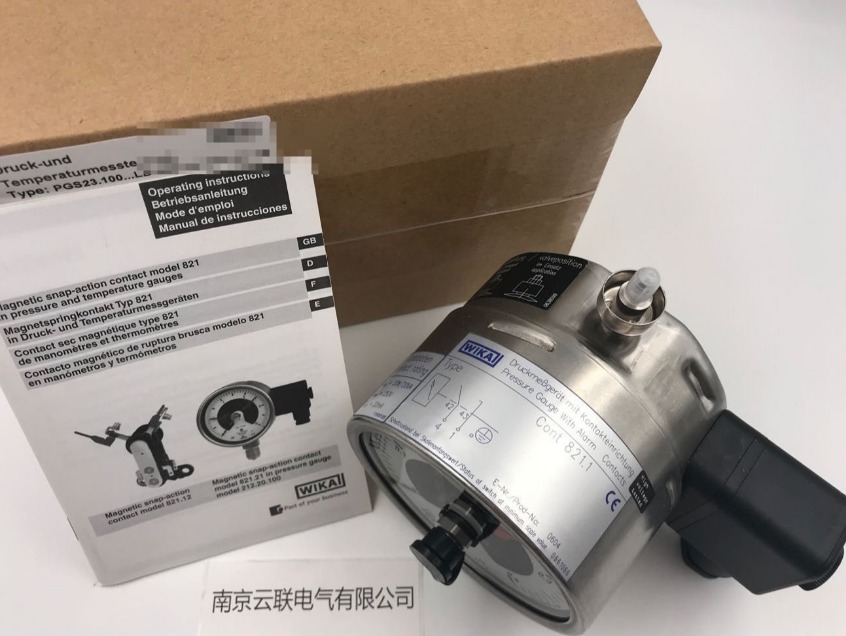

电接点压力表.jpg

Common Problems and Solutions for Startup Modes of Electric Contact Pressure Gauges, Avoiding Operational Hidden Dangers

As a common device in the field of pressure control, the stability of the startup mode of the electric contact pressure gauge directly determines the operating efficiency of the entire system. In actual use, many users encounter problems such as startup failure, frequent start-stop, and contact adhesion, which not only affect the normal operation of the equipment but also may cause potential safety hazards. This article focuses on the common problems of the startup mode of electric contact pressure gauges, deeply analyzes the causes of the problems, provides practical solutions, and incorporates SEO keywords to help users quickly troubleshoot faults, master fault handling skills during startup, and ensure the stable operation of electric contact pressure gauges.
The startup modes of electric contact pressure gauges are mainly divided into automatic startup and manual startup. The problems occurring in the operation of the two modes are different, but the core faults are mostly concentrated in three aspects: contacts, wiring, and pressure setting. Among them, the fault rate in the automatic startup mode is relatively high, which is also the most frequently reported scenario by users. Common problems include failure of the equipment to start automatically, failure to stop after startup, and frequent start-stop; faults in the manual startup mode are mostly no response to startup, failure of manual buttons, etc., which need targeted investigation and handling.
I. Common Problems and Solutions in Automatic Startup Mode
(1) Failure of the Equipment to Start Automatically
This is the most common problem in the automatic startup mode, and there are three main causes: first, unreasonable pressure setting. If the preset lower limit pressure is higher than the current system pressure, the lower limit contact of the electric contact pressure gauge cannot be closed, and the executive equipment cannot be triggered to start; second, wrong wiring, such as reverse connection of the common terminal and the lower limit terminal, or loose wiring and poor contact, leading to failure of signal transmission; third, contact failure, such as oxidation, adhesion or wear of the contacts inside the gauge, resulting in failure of the contacts to close normally and form a circuit.
To solve the above problems, targeted investigation is required: first, check the pressure setting, turn the adjustment knob to set the lower limit pressure lower than the current system pressure, observe whether the dial pointer points to the correct scale, and confirm that the setting is correct; second, check the wiring, cut off the power supply, re-tighten the wiring terminals, confirm that the wiring order of the common terminal, lower limit terminal and upper limit terminal is correct without reverse connection or looseness, and check the insulation layer of the wiring, replace it in time if there is damage; finally, check the contact state, open the pressure gauge shell, observe whether the contacts have oxidation or adhesion traces, if there is oxidation, gently polish the contacts with fine sandpaper to remove the oxide layer, and if the contacts are severely worn, replace the electric contact pressure gauge in time.
(2) Failure to Stop After Startup
Failure to stop after startup mostly occurs in the automatic startup mode. The main reason is that the upper limit contact cannot be disconnected normally, leading to continuous suction of the contactor, continuous operation of the executive equipment, continuous increase of pressure, and potential safety hazards. Its main causes include: the upper limit pressure is set too low, leading to the shutdown signal being triggered in advance before the pressure reaches the preset value (on the contrary, it cannot stop); contact adhesion, the upper limit contact cannot be disconnected after closing, leading to continuous signal transmission; failure of the contactor in the control cabinet, unable to power off normally.
To solve such problems, first adjust the upper limit pressure setting, reset a reasonable upper limit value according to the system requirements, ensure that the shutdown signal can be triggered normally when the pressure reaches the upper limit; second, check the upper limit contact, if there is adhesion, polish the contact or replace the pressure gauge; finally, check the contactor in the control cabinet, if the contactor coil is damaged or the contact is adhered, repair or replace it in time to ensure that the equipment can be powered off and stopped normally.
(3) Frequent Start-Stop
Frequent start-stop will not only shorten the service life of the executive equipment but also increase energy consumption. The main reasons are: the pressure setting range is too small, leading to rapid fluctuation of the system pressure between the upper and lower limits, frequently triggering the on-off of the contacts; second, the system has leakage, the pressure drops too fast, leading to frequent startup of the equipment; in addition, the response speed of the electric contact pressure gauge is too fast, which will also lead to frequent start-stop.
Solutions: first, adjust the pressure setting range, increase the pressure difference between the upper and lower limits to avoid frequent pressure fluctuation; second, check the system tightness, check whether there is leakage in pipelines, valves and other parts, repair the leakage points in time to reduce pressure loss; third, calibrate the response speed of the electric contact pressure gauge, adjust it according to actual needs to avoid frequent start-stop caused by too fast response.
II. Common Problems and Solutions in Manual Startup Mode