详细介绍
液压缓冲器选择的通用原则
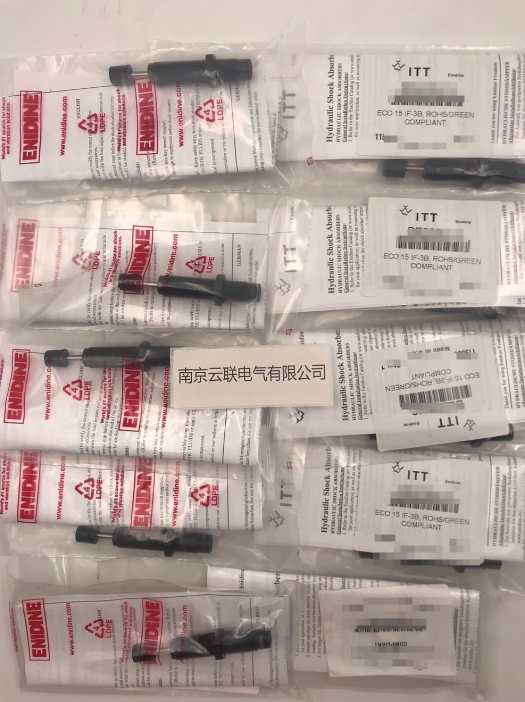
General principles and core parameter analysis for selecting hydraulic buffers
The selection of hydraulic buffer, as a key component for absorbing impact energy and protecting equipment components, directly affects the operating life and safety of the equipment. In various industrial scenarios, incorrect selection often leads to premature failure of buffers, increased equipment vibration, and even safety accidents. Therefore, it is crucial to master the general selection principles and core parameter analysis methods.
The primary step in selecting a hydraulic buffer is to determine the impact energy in the operating conditions, which is the core basis for determining the buffer specifications. The calculation of impact energy needs to comprehensively consider the mass and impact velocity of the moving parts, with the formula of "impact energy=0.5 × mass × velocity ²". However, in practical applications, the load fluctuation coefficient (usually taken as 1.2-1.5) needs to be added to avoid damage to the buffer due to instantaneous overload. For example, in a logistics conveyor line, if the total mass of pallets and goods is 500kg and the impact velocity is 0.8m/s, the calculated basic energy is 160J. After adding a coefficient of 1.3, a buffer with a rated energy of not less than 208J needs to be selected.
The matching between rated travel and installation space is a key link that is easily overlooked. The effective stroke of the buffer must meet the requirement of 'impact displacement ≤ 80% of the rated stroke', which ensures sufficient energy absorption and reserves a safety margin. At the same time, the installation method should be determined based on the equipment structure. For horizontal installation, the influence of horizontal impact force on the buffer seal should be considered, while for vertical installation, additional anti fall devices should be equipped. A certain automobile stamping line once used an excessively long buffer due to insufficient installation space, which caused interference with the mold. Eventually, the problem was solved by replacing it with a short stroke high-energy model.